Jesus in the Old Testament – Betrayal of the Saviour
3 minute read
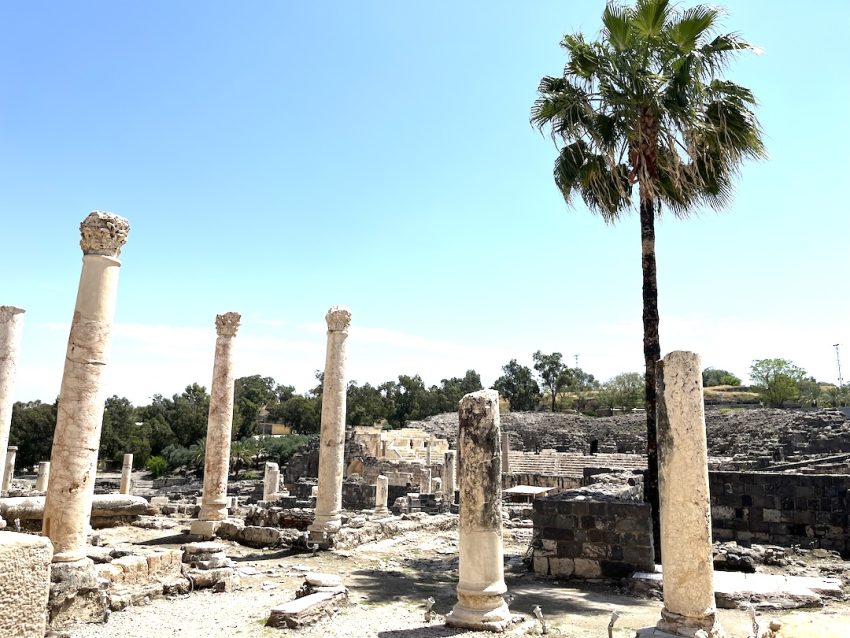
Of Him all the prophets bear witness that through His name everyone who believes in Him receives forgiveness of sins
Acts 10:43
Promised Saviour
Why do we need a Saviour?
To answer that in depth would require a separate article. But, put simply, we need a saviour because Adam and Eve sinned in the garden of Eden by disobeying a command from God not to eat from the tree of the knowledge of good an evil (Gen 2:17). The consequence of their disobedience meant that all of humanity fell under this curse of sin. The punishment for this curse is death that leads to eternal punishment in Hell. This is why Jesus died on the cross. He is the ONLY means through which we can be saved from this curse and its consequences. To receive this salvation however, does require faith in God, repentance of our sin and acknowledging Christ as saviour.
New Testament:
The NT is filled with many references to Jesus as saviour.
- An angel told the shepherds the good news of a Saviour born in Bethlehem (Luke 2:11)
- God himself exalted Jesus as a Prince and Saviour who can forgive sins (Acts 5:31)
- Many people acknowledged Jesus as saviour (John 4:42)
- Paul laboured and strived, fixing his hope on the living God, the saviour of all (1 Tim. 4:10)
- Mary herself rejoiced in God her saviour (Luke 1:47).
Old Testament:
But I will enmity between you and the woman, and between your seed and her seed; He shall bruise you on the head and you shall bruise him on the heel
Genesis 3:15
The theological term for Gen 3:15 is the ‘Proto Evangelium’ – meaning the very first gospel message. This is a clear example of why we cannot neglect the OT, and why it is so exciting to see the coming of our saviour being promised all the way back in Genesis!
The prophet Isaiah has many many sections devoted to prophesying the first and second coming of Jesus. To unpack this more I will create a post in the near future on the Servant Songs in Isaiah. But for the purpose of this post, we can see in Isaiah 42 that the Father chose Jesus to bring forth justice and he will do this faithfully (Is 42:1-3).
Rejection and Betrayal
New Testament:
Not everyone believed that Jesus was God and instead they wanted to kill him.
- Jesus called Himself the stone which the builders rejected (Luke 20:17)
- Judas Iscariot, one of the 12 disciples, made plans to betray Jesus. He was paid 30 pieces of silver for this treacherous act (Matt 26:15). Jesus even calls out Judas at the Last Supper (John 13:26). Whilst Judas persisted with the betrayal, out of severe guilt he returned the money to the temple, but not without fatal consequences to himself (Matt 27:5).
Old Testament:
Zechariah 11:12-13 prophecies Judas’ betrayal; the sum of money and its return:
- Give me my wages…thirty shekels of silver
- That magnificent price at which I was valued by them
- At the Lords requirement, the money was returned to the potter in the house of the Lord
Psalm 41:9 alludes to Jesus’ speaking of his betrayal:
- Even my close friend in whom I trusted, who ate my bread, Has lifted up his heel against me
Psalm 118:22-23 also prophecies of Jesus’ rejection:
- The stone which the builders rejected has become the chief cornerstone. This is the Lord’s doing; it is marvelous in our eyes

Want to see where the OT speaks of Jesus death? Read Jesus in the OT – Crucifixion



Leave a Reply